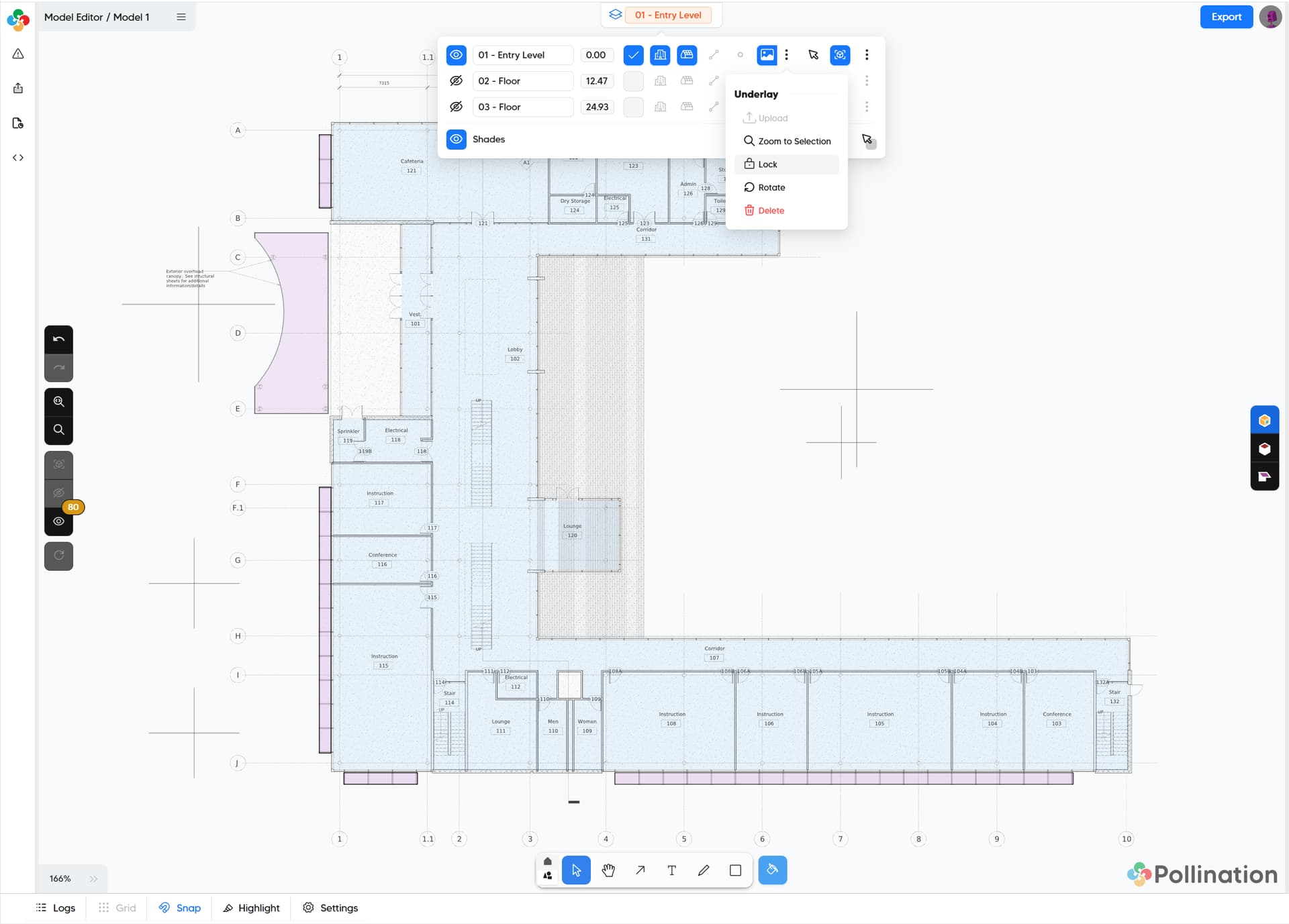
You might have noticed that we have been quiet about making new announcements about upcoming releases. This is mainly because we have been working on a full rewrite of the Model Editor to improve the user interfaces, the overall performance for large models, and make it easy to develop new extensions and integrations on top of the Model Editor.
The new version of the Model Editor is almost ready
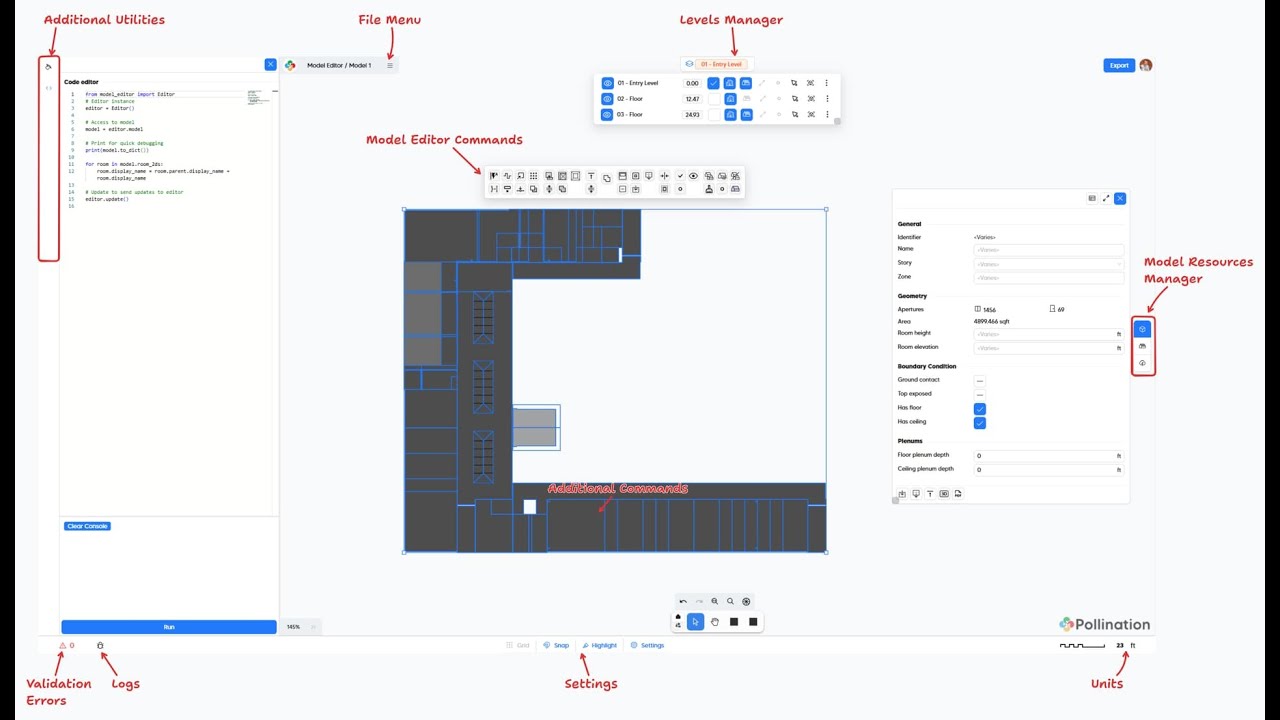
The good news is that the new version of the Model Editor is almost ready. I’m writing this post to demo the upcoming improvements and hear your feedback as we’re working on the final, smaller issues and improvements. Here is how the new UI looks.
Here is a longer 12-minute video that breaks down the improvements. Make sure you watch until the end! The last two minutes include the new Revit connector and the new PDF report.
Here is the PDF report that is generated by the Model Editor’s new report feature.
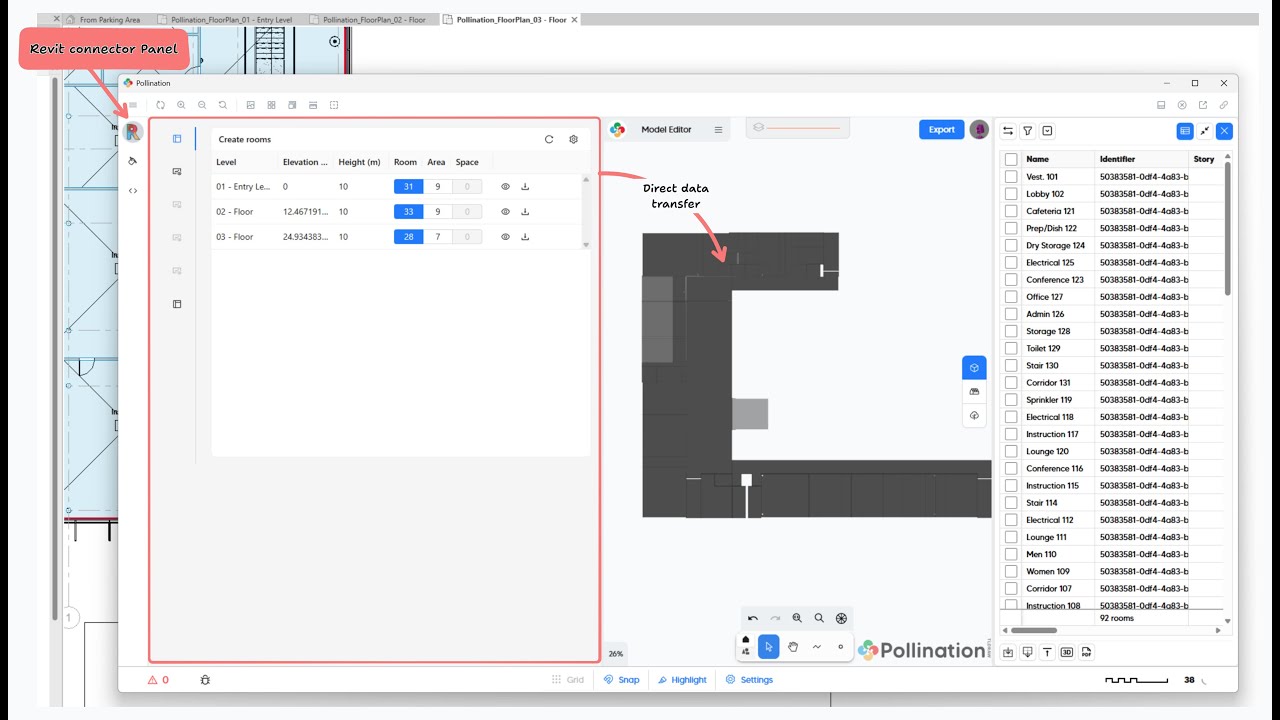
More importantly, we have also started developing the new version of the Pollination Revit plugin, which will take longer to be ready, but we could still benefit from your feedback on both. The main difference is the ability to load the data from Revit without the need to save the model to a file as an intermediate step. Here is a 3-minute teaser of what we have ready so far!
Happy Friday, and let us know what you think! We’re looking forward to releasing the new version soon.
Hi @mostapha, I’m really excited to see the new version of the plugin, After watching the demo video, it already feels like a big improvement in usability compared to the previous version.
I do have two suggestions based on challenges I faced while using the older Pollination plugin, specifically in the Revit → Grasshopper workflow:
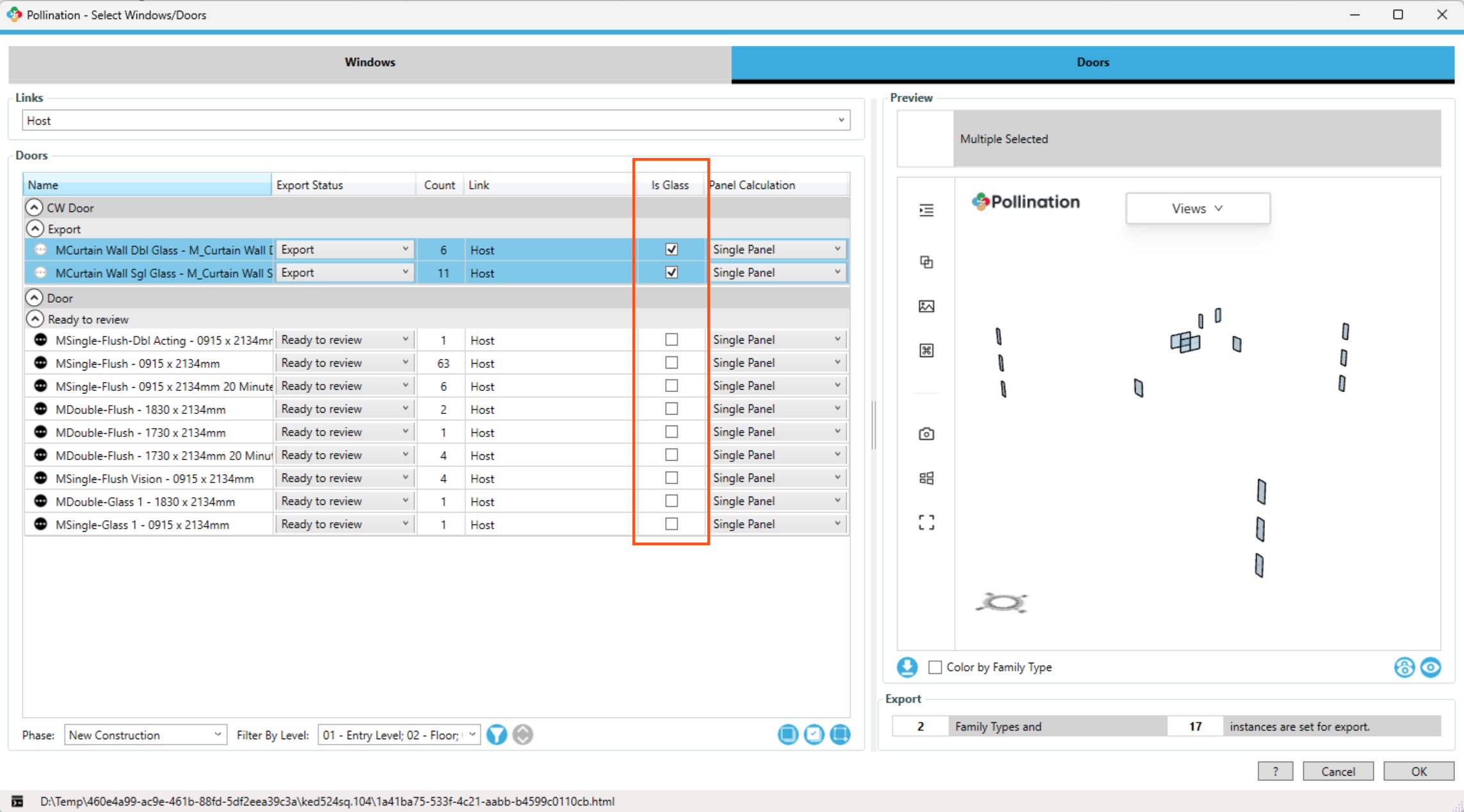
Some of the doors in the models can actually be glass doors, which are important for accurate simulation results. But I noticed that they are all grouped under the general “door” category. previously. Would it be possible to better distinguish and process glass doors separately for simulation purposes?
Window Sills, Jambs, and Related Geometry
For daylight simulations, elements like window sills and jambs play an important role as shading geometry. These components are often part of different Revit families, and currently I have to export them separately outside of Pollination to include them in the simulation. Is there a more integrated way to handle these elements within the plugin?
Thanks again, I’m looking forward to the official release .
@rafaelhok, I created a feature request for loading user scripts from a folder. The first version will most likely be a dropdown instead of a series of buttons. Once we get your feedback on that we can keep improving the UI.
@evelynliu, thank you for the kind comments. For the glass doors, have you tried using the Is Glass property? This should result in exporting them as windows and not doors. Let us know if that’s not the case, and we can fix it.
Great point. Yes. We have discussed this in the past, and we should be able to expose it as part of the material filtering functionality. This might take us longer to implement, but I added an item for it. What does your current workflow look like?
-Our company uses Pollination to export models for hvac load calculations. Currently, we assign the internal loads (people load, lighting load, equipment load) within pollination using the program types. If there were some way to just have pollination pull this information from Revit Spaces and include that in the model export that would make it a lot easier than manually selecting a program type. Or otherwise, making it easier to select program types in pollination.
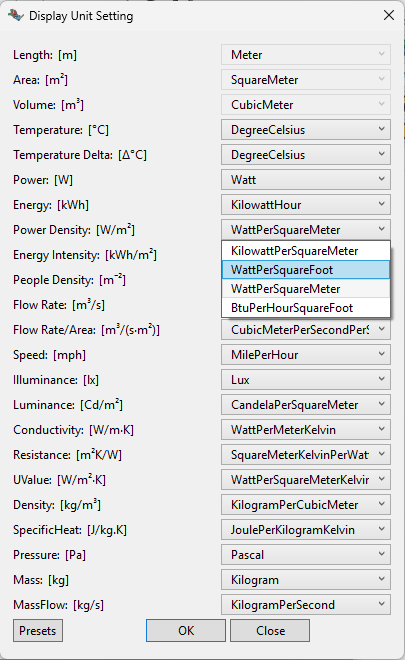
Program types have load values only in terms of W/m^2. Standard practice for us is to use W/ft^2 values. If there were an option to toggle the units would be great.
We currently can only export in metric units (lengths, load values). We have a way to convert it back to IP afterwards, but if there were a way to just export everything in IP that would be helpful.
Thank you for taking the time to document this for us. This is the ideal time to bring up these items, as we are starting to look into loading more information from Revit rooms and spaces.
Can you help me better understand the exact fields that you are interested in being imported from Revit spaces? Here is the list from Revit documentation.
I’m trying to develop a document that maps Revit space properties to Pollination program types. That way, we can start looking into creating the Pollination program types based on the Revit spaces.
I see. That’s something that we do support, but we haven’t exposed it in the Revit plugin. We should be able to expose it. Here is a screenshot from the Rhino plugin UI.
Yes. We use the OpenStudio SDK under the hood, and it can only export gbXML in the SI units. How do you currently convert the values to IP? I wonder if we could take advantage of that instead of writing our own gbXML exporter. This is an issue that some TRACE 3D Plus users have also brought up for a smoother import experience.
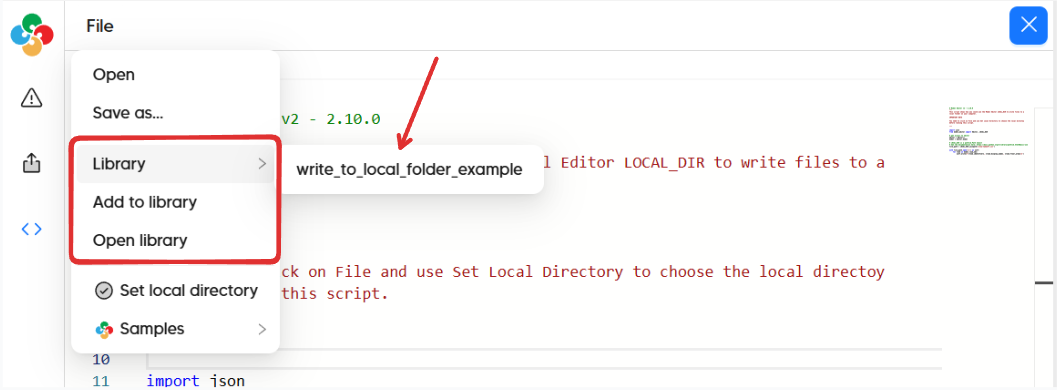
The upcoming release of the Revit plugin and the Model Editor adds a user library folder. You can access all the .py files in the library folder with a single click. Here is screenshot.
hi @mostapha , love the see the continual improvements on the software. A suggestion for future updates - I’m dying to be able to load 2D floorplan (DXFs/DWGs) in Model Editor. Without this, I feel like im reviewing my pomfs blind.
Hi @maddiegardner, I hear you! We already have an open enhancement request for this feature. @maxhanning has been also reminding me about this feature frequently.
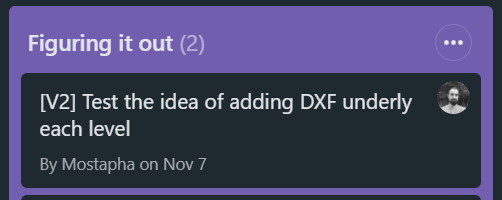
I feel the right time to add this feature is when we release the v3 of the Revit plugin. In our current workflow it will be challenging to implement this feature.
I also have a question for you. Am I right that you would like to use the DXF as a visual guide to see how the Revit model looked like? Or would you like to be able to snap to the geometry in the DXF file?
Hi Mostapha, yes we have received multiple requests from different users for this feature. From our perspective, it would be as a visual guide and not for snapping. It’s great that you are so receptive to feedback
Being able to snap to DXF geometry would be a huge bonus, but just being able to use it as a visual guide is a big win in itself It would give me more confidence in accuracy while I’m cleaning up the pomfs
It is not available publicly yet but it will be available soon. We’re doing some more testing before the release. For the first release, you will need to export your own DXF and upload it for each level manually. It feels like too much manual work but we can’t do much about it in the current version of the Revit plugin. As we move to v3, we most likely want to automate this process and load the DXF files directly from inside the Model Editor. I have a question for you about that. Do you have any specific settings that you recommend using for generating DXFs that are good for your workflows? Are there any settings that you may want to be exposed so you can change them when the DXF is loaded from Revit? Thanks.
 community,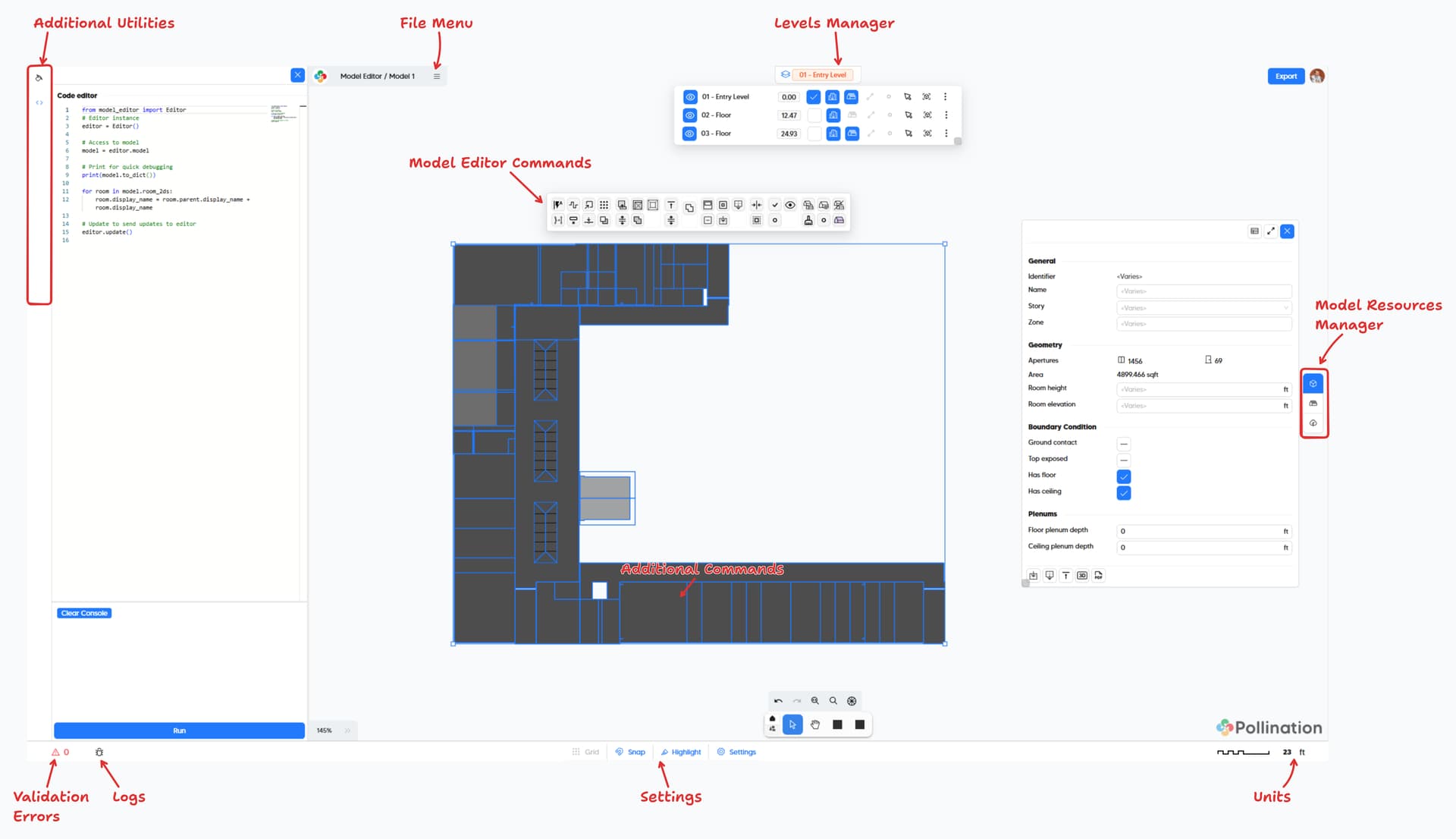
 .
.